
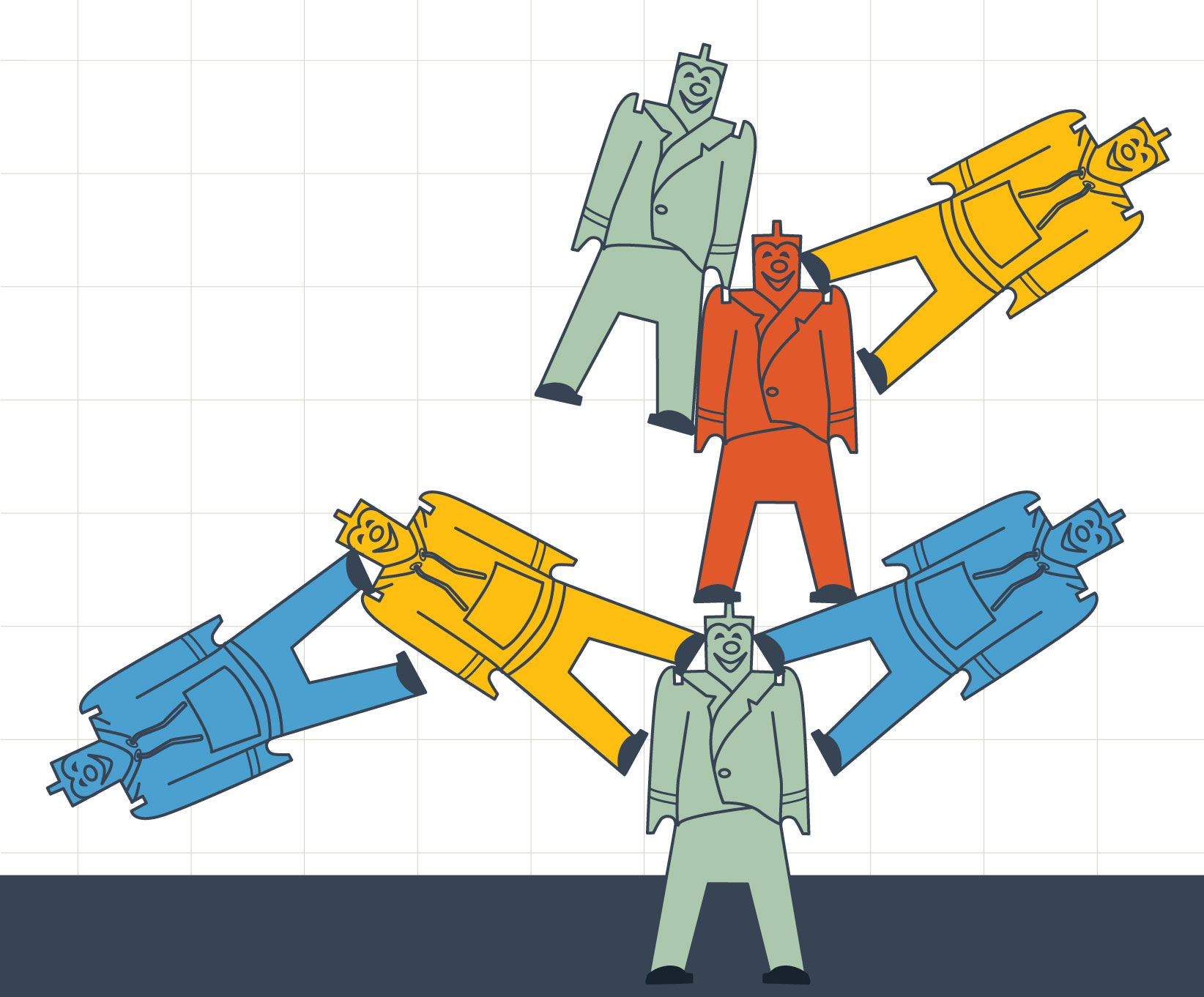
Let’s be real: scaling a product team feels less like a graceful evolution and more like trying to rebuild a plane while it’s in the air. Data shows that 70% of organizations struggle with scaling effectively, often due to unclear processes and cultural strain. Your success during this phase depends heavily on the systems you build and the team environment you maintain. Both must evolve together to avoid breakdowns.
First, you have to get hiring and onboarding right. Research indicates that structured onboarding can improve new hire productivity by up to 50%. “Scaling-ready” talent isn’t just about impressive resumes; it’s about people who thrive in ambiguity and have a natural curiosity to solve challenging problems. Look for the storytellers and the simplifiers. Seek individuals who excel in uncertain environments and are inclined to take initiative. For example, companies like Airbnb prioritize candidates who demonstrate storytelling and simplification skills, which helps maintain clarity as the team grows.
With new faces arriving weekly, your old ways of working will break. The daily stand-up that worked for one team becomes a 20-person monologue for three. This is where you evolve your agile practices. Maybe one squad needs strict Scrum, while another thrives on the flow of Kanban. Enforce principles, not prescriptions. And, please, embrace asynchronous communication. A well-written document in a central hub is worth a dozen scheduled meetings. The goal is to create a system where work moves forward even when people aren’t all in the same (virtual) room at the same time, and where clear escalation paths prevent decisions from getting stuck in endless debate.
But let’s be honest, all the process in the world is useless if your best people get bored, burned out, or bail. Culture in scaling isn’t about ping-pong tables; it’s about psychological safety and clear career paths. Your job is to keep teams motivated by connecting their work to real-world impact, especially when everything feels chaotic. The single best retention tool you have is honest, constructive feedback and a visible path for growth. Show your high-performers what’s next for them, or someone else will.
You don’t have to do everything at once. Start with one thing. A study by Atlassian found that teams using centralized documentation reduced meeting time by 25%. This week, try replacing one recurring status meeting with a shared, live document where everyone provides updates asynchronously. See what happens. You might just get an hour back—and a glimpse of a more scalable future.
So, what’s the one thing currently blocking your team from scaling effectively? Share your biggest hurdle in the comments.
Loved the article? Hated it? Didn’t even read it?
We’d love to hear from you.