Find viable sites. Understand costs.
Get to power faster.
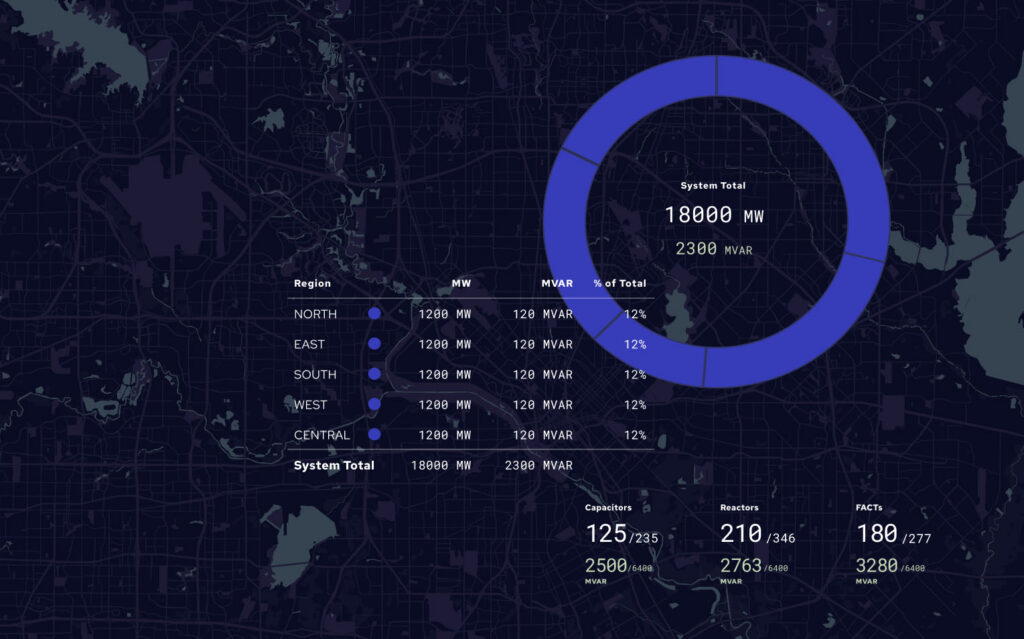
Large-load siting is moving faster than traditional transmission studies can keep up with, and load can no longer be studied in isolation from the generation queue it shares the grid with.Minerva’s Large Load Interconnection solution helps developers and utilities quickly identify where load can interconnect, what constraints exist, and what upgrades may be required, on the same platform, and the same models, used to study the generation queue. One system for both sides of the meter. No months of manual studies. No black-box assumptions.
Make informed large-load decisions in minutes, not months.
Two Sides of the Same Coin:
Generation and Load, Finally Studied Together
For decades, generation interconnection and load interconnection have lived in separate silos: different teams, different tools, different models, even though they energize and load the very same transmission system. That separation hides the interactions that matter most. A new data center doesn’t just need capacity; it shares constraints with every queued generator nearby.
Minerva breaks the silo. Large loads and queued generation are modeled on one platform, against the same current power flow cases, so you can study how they affect each other, not just how each behaves alone. See where new load relieves or worsens a constraint that generation created. Understand the combined system impact before it becomes a surprise in a study report.
The grid sees generation and load as one system. Now your studies can too.
Large Load Growth Is
Outpacing Traditional Studies
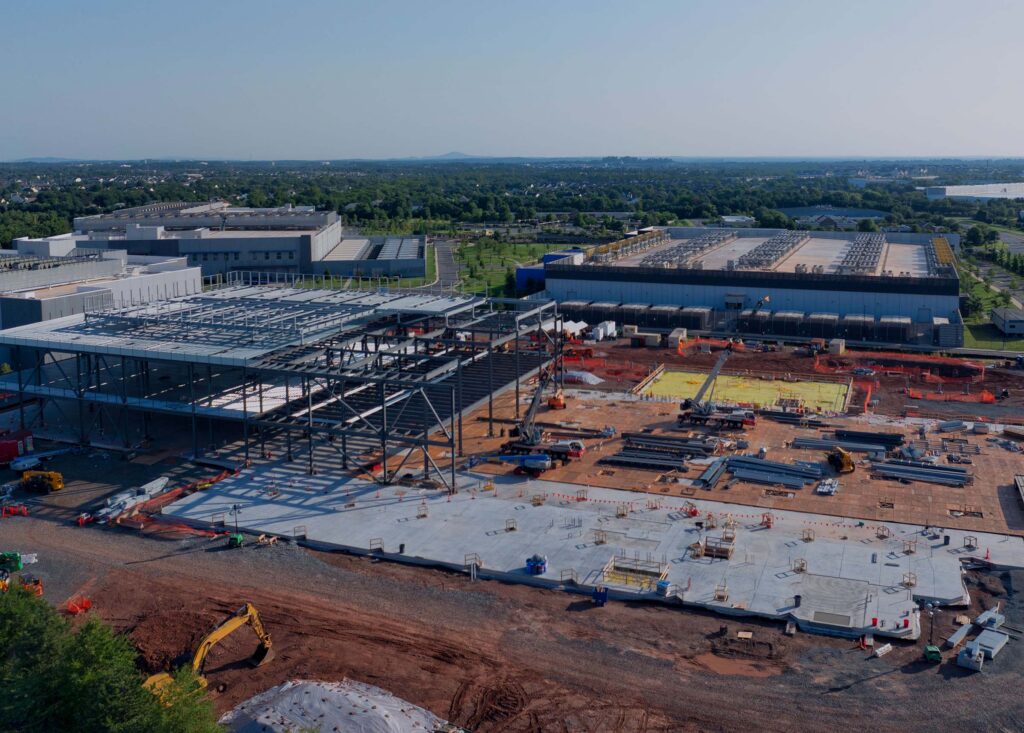
Rapid load growth—from data centers to electrification—is colliding with new regulatory pressure to use cluster-style studies and assign loads the full cost of upgrades.
At the same time, utilities are moving from serial studies to cluster-based interconnection processes that require faster, more transparent workflows.
But today’s workflows are still:
- Slow and manual
- Difficult to scale across multiple sites or scenarios
- Opaque when it comes to assumptions and cost drivers
- Dependent on spreadsheets, ad hoc scripts, and one-off model builds
- Disconnected from generation interconnection processes
The result is delays, uncertainty, and missed opportunities—at a moment when speed to power matters more than ever.
A Faster, Clearer Path to Large Load Interconnection
Minerva Interconnect™ streamlines large load interconnection studies by building up-to-date, study-ready models on demand—so teams can quickly evaluate feasibility, constraints, and costs at selected points of interconnection.
At its core, Minerva uses a Model On Demand (MOD) engine to build up-to-date study models in real time, incorporating:
- The latest generation queue data
- Transmission projects and upgrades
- On-site or co-located generation
- Flexible or staged load assumptions
- Bus and line-tap points of interconnection
Instead of rebuilding models, stitching spreadsheets together, or restarting studies every time assumptions change, teams can move directly into analysis using transparent, auditable workflows.
Long wait times, one-off studies, limited visibility into cost and risk.
Rapid screening, transparent results, and confident siting decisions backed by real system data.
What This Enables for Large Load Teams
Load and generation studied together
Model large loads alongside queued generation and on-site resources on shared, current models, capturing the correlated system impacts that siloed, single-direction studies miss entirely.
Cluster studies for large loads
As cluster-style requirements extend to load, evaluate multiple load requests together, and against the generation cohort, to understand shared constraints, upgrade requirements, and DFAX-weighted cost allocation earlier, with the same transparency Minerva brings to the generation queue.
Clear cost visibility
Use cost curves and transparent upgrade breakdowns to understand how interconnection costs change with load size.
Fast POI screening
Eliminate non-viable sites early and focus engineering effort where capacity actually exists.
The result is a more timely, orderly path to interconnection—and fewer surprises late in the process.
What Makes Minerva Different

Open-box modeling

Model On Demand

Built like custom software

Flying Blind: How Old Assumptions and Canned Answers Are Killing Interconnection Projects
Discover why access to data is no longer enough, and how developers are gaining an edge through visibility, scenario modeling, and transmission planning expertise.
Why It Matters Now
Large load interconnection is no longer just an engineering exercise—it’s a high-stakes business decision with major financial and reliability consequences.
And it can’t be made in a vacuum. The generation queue, transmission upgrades, and competing loads all shape whether a site pencils out. The teams that win are the ones that can see the whole picture, both sides of the meter, early, and explain it with confidence.
Minerva helps teams:
- Shorten feasibility and study timelines
- Improve confidence in siting decisions
- Reduce rework and wasted engineering effort
- Communicate clearly with utilities and stakeholders
- Scale as large load volume continues to grow
The grid is evolving quickly.
Your large load interconnection workflows should too.