
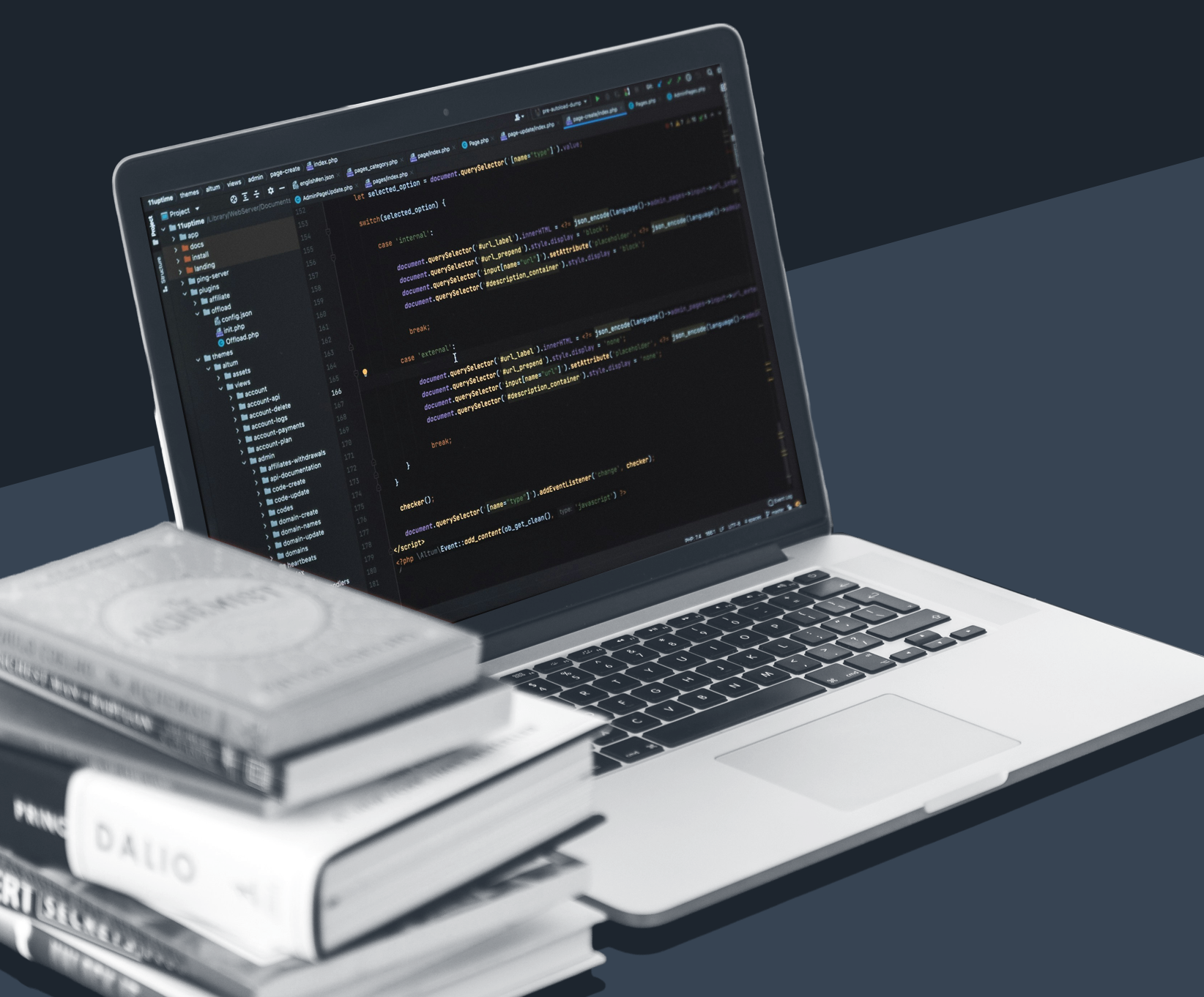
Programming is one of the few professions where the learning never really stops. Languages evolve, frameworks rise and fall, and the “best practices” from five years ago are sometimes today’s anti-patterns. That can feel exhausting, but it’s also an advantage: if you build the right habits for self directed learning, you become someone who can pick up whatever the field throws at you next.
Here’s a practical set of methods for learning to program on your own and for keeping your skills sharp over the long haul.
Learn by Building, Not by Watching
Tutorials feel productive because you’re always making forward progress and are never stuck. That’s exactly the problem. Passive learning creates the illusion of competence without the friction that produces actual understanding.
The tutorial, then rebuild method works much better. Watch or read a tutorial once, then close it and rebuild the same project from memory, filling gaps with documentation instead of re-watching. The struggle of recall is where the learning actually happens.
Even better, once you’ve built something once, modify it. Add a random feature. Break it on purpose and fix it. That’s how you leave the tutorial’s guardrails and improve your problem solving.
Pick Projects With Built In Feedback Loops
Self-study fails most often not from lack of motivation but from lack of feedback. If you don’t know whether your code is good, idiomatic, or even correct, you can practice bad habits for months without noticing.
Look for projects and practices that give you fast, honest feedback:
- Automated tests: writing tests forces you to confront whether your code actually does what you think it does.
- Open source contributions: a maintainer reviewing your pull request is one of the highest quality feedback loops available, and it’s free.
- Pairing or code review with a peer: even an informal “can you look at this?” helps catch stuff you might miss.
Read Code as Deliberately as You Write It
Most self taught learning is production only: write, write, write. But professional fluency comes from reading a lot of other people’s code, the same way fluency in a language comes from reading, not just speaking.
Pick a well regarded open source project in a language you’re learning and spend time just reading it. Ask:
- Why is the code organized this way?
- What patterns show up repeatedly?
- How would I have done this differently, and why did they choose their way instead?
This helps build pattern recognition that tutorials rarely teach, because tutorials show you the “happy path,” not the accumulated decisions of a real production codebase.
Use Spaced Repetition for the Stuff You Keep Forgetting
Some parts of programming are genuinely conceptual (recursion, time complexity, memory management) and benefit from active practice. But other parts are closer to vocab like syntax, standard library functions, CLI flags, etc. These respond well to simple memorization techniques.
A lightweight flashcard system (physical cards or a spaced repetition app) for things like regex syntax, git commands, or language specific idioms can save you from re-Googling the same thing for the tenth time. Try to keep this memorization to things that you are regularly reaching for, rather than all the things that might be important some day. It’s a small time investment that pays back constantly.
Rotate Between Depth and Breadth
Continuous learning benefits from alternating two modes:
- Depth mode: go deep on one language, framework, or subsystem until you understand it well below the surface level. This is where actual expertise comes from.
- Breadth mode: periodically survey the wider landscape for new languages, paradigms, tools, even superficially. This keeps you aware of what exists and prevents tunnel vision.
A reasonable rhythm is to spend most of your time in depth mode on your primary stack, but block out recurring time (a weekend a quarter, an hour a week) purely for breadth: skimming a new language’s docs, exploring an unfamiliar concept, or reading about a tool category you don’t currently use.
Build a Personal Curriculum
Courses optimize for a general audience. Once you have foundational skills, your most efficient learning path is usually one you build yourself, based on what you’re actually trying to do:
- Identify a real project or goal (an app you want to build).
- Work backward to list the specific skills and knowledge gaps between where you are and that goal.
- Learn just enough of each topic to keep making progress on the project, then loop back for depth later.
This project based curriculum tends to stick better than a generic syllabus, because every concept you learn immediately gets used for something you care about.
Review Your Old Code Periodically
Going back to code you wrote six or twelve months ago is one of the most underrated learning tools available. It’s sometimes uncomfortable and you might cringe at some of your past decisions, but that discomfort is direct evidence of growth, and it will show you concretely what you’ve internalized since then versus what’s still shaky.
None of these methods require expensive courses or rigid schedules (though you might find both useful depending on your learning style). What they have in common is that they replace passive consumption with active engagement. Building, reviewing, and reflecting is what turns “I watched a video about this once” into “I actually know this.” Programming rewards that kind of learning more than almost any other skill, because there’s always something new to apply it to.
Loved the article? Hated it? Didn’t even read it?
We’d love to hear from you.